Restoring and Protecting a Damaged Tooth
A dental crown is a custom-made restoration that completely covers the visible portion of a damaged tooth. Crowns are typically made from durable materials such as porcelain, ceramic, or zirconia. They are designed to strengthen weakened teeth, restore their natural appearance, and allow you to chew and speak comfortably.
Each crown is carefully designed to blend with your surrounding teeth, creating a restoration that looks and feels as natural as possible.
When Is a Dental Crown Recommended?
A dental crown may be recommended when a tooth has been weakened and needs additional support that a filling alone cannot provide.
Common reasons a crown may be recommended include:
- A large cavity that cannot be restored with a filling
- A cracked or fractured tooth
- A severely worn tooth
- A tooth that has received root canal treatment
- Replacing an older crown that has become worn or damaged
- Restoring a broken tooth
During your examination, Dr. Longenecker will evaluate your tooth and discuss the most conservative treatment option for your situation.
How a Dental Crown Works
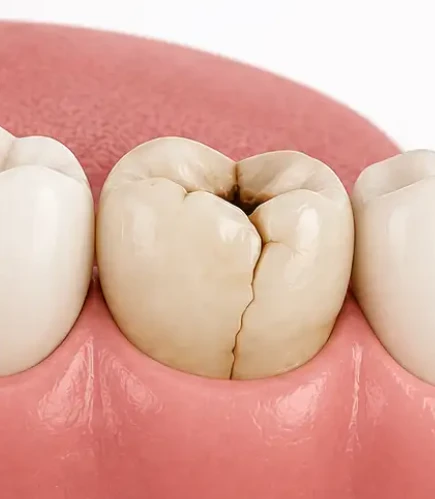
Before
A damaged weakend tooth.
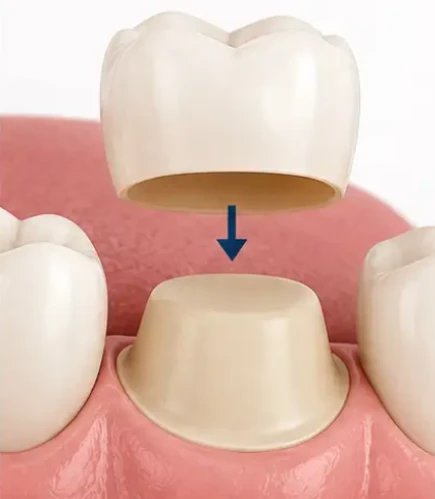
Tooth Prep
The tooth is gently reshaped to make room for the crown.
Before
The custom crown is placed, restoring strength, function and natural appearance
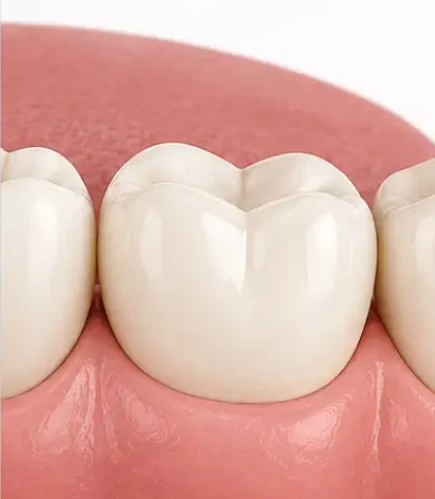
A dental crown strengthens and protects your tooth while blending beautifully with your natural smile.
Protect and Preserve Your Natural Tooth
Whenever possible, our goal is to preserve your natural teeth rather than remove them. A dental crown allows us to protect and strengthen a damaged tooth while maintaining the healthy tooth structure that remains.
By restoring the tooth before additional damage occurs, a crown can often help patients avoid more extensive treatment in the future and continue enjoying the function and appearance of their natural smile.
Your Dental Crown Procedure
Treatment typically begins with a comprehensive examination and digital imaging to evaluate the tooth and determine whether a crown is the best option.
To prepare the tooth, a small amount of the outer structure is gently reshaped to create space for the crown and ensure a secure, precise fit. Any decay or weakened areas are carefully removed, and the tooth is shaped so the final restoration can sit comfortably and function properly within your bite.
Digital impressions are then taken using our iTero® scanner. Your custom crown is fabricated to fit your bite and blend naturally with your smile. Once the crown is ready, it is securely bonded into place and adjusted to ensure a comfortable, natural fit.
Caring for Your Dental Crown
With proper care, a dental crown can provide many years of reliable function.
To help protect your crown:
- Brush twice daily with fluoride toothpaste
- Floss around the crown every day
- Attend routine dental exams and cleanings
- Avoid chewing on ice and other very hard objects
- Wear a nightguard if you grind or clench your teeth
Although crowns are durable, they should be cared for just like your natural teeth.
Insurance Information
Hereford Dental Health is not contracted with any dental insurance plans. Payment is due at the time of service, and our team will submit claims on your behalf to help you maximize any available out-of-network benefits.
We work hard to make the reimbursement process as straightforward as possible and are happy to answer questions about insurance, payment options, and treatment costs before your appointment.
FAQs About Dental Crowns
How long do dental crowns last?
With good oral hygiene and regular dental care, dental crowns can often last 10 to 15 years or longer.
Does getting a dental crown hurt?
The tooth is numbed before treatment to keep you comfortable. Some mild sensitivity afterward is normal and typically resolves within a few days.
What is the difference between a dental crown and a filling?
A filling repairs a small portion of a damaged tooth, while a crown covers the entire visible portion of the tooth to provide additional strength and protection.
Can a dental crown be whitened?
No. Dental crowns do not respond to teeth whitening treatments. If you are considering whitening your teeth, it is often recommended to do so before receiving a new crown so it can be matched to your desired shade.
Is there a dentist in Monkton that provides dental crowns?
Dr. Longenecker provides custom dental crowns at Hereford Dental Health in Monkton for patients throughout northern Baltimore County. Each crown is designed to restore strength, function, and a natural appearance while preserving your healthy tooth structure whenever possible.