Repairing Teeth Affected by Cavities or Damage
Dental fillings are restorations used to repair teeth damaged by cavities, small fractures, or wear. After the damaged portion of the tooth is removed, the filling restores the tooth so you can chew comfortably and helps prevent further damage.
Several types of filling materials are available. The most appropriate option depends on the size and location of the cavity, the amount of healthy tooth structure remaining, and your individual oral health needs.
Types of Dental Fillings We Offer
Different filling materials are designed for different clinical situations. Dr. Longenecker will recommend the option that best meets your restorative needs.
Composite Fillings
Composite fillings are made from a durable tooth-colored resin that bonds directly to the tooth. They blend naturally with your smile and are commonly used to restore small to moderate cavities, chipped teeth, and worn areas.
Ceramic Fillings
Ceramic fillings, also known as porcelain inlays or onlays, are custom-made restorations used when a cavity is too large for a traditional filling but does not require a full dental crown. They are highly durable, stain resistant, and closely mimic the appearance of natural enamel.
When Is a Dental Filling Recommended?
Dental fillings are commonly recommended to repair:
- Cavities (tooth decay)
- Small chips or fractures
- Worn areas caused by grinding or everyday wear
- Older fillings that have become worn or damaged
Treating cavities early with a filling helps preserve healthy tooth structure and may prevent the need for more extensive treatment in the future.
What to Expect During Treatment
Before treatment begins, the tooth is numbed with local anesthetic to help keep you comfortable throughout the procedure.
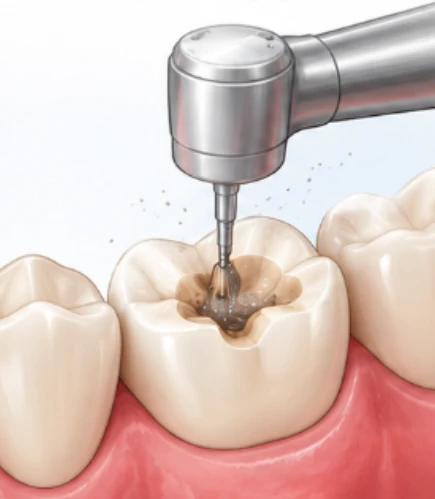
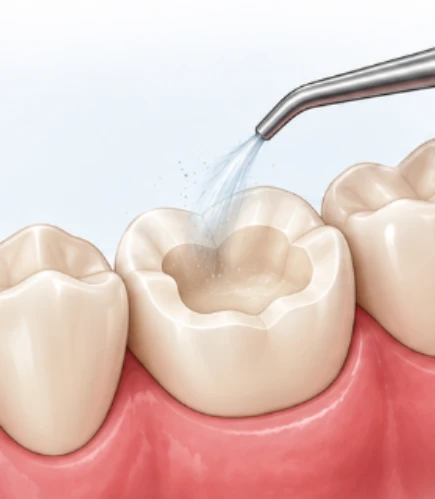
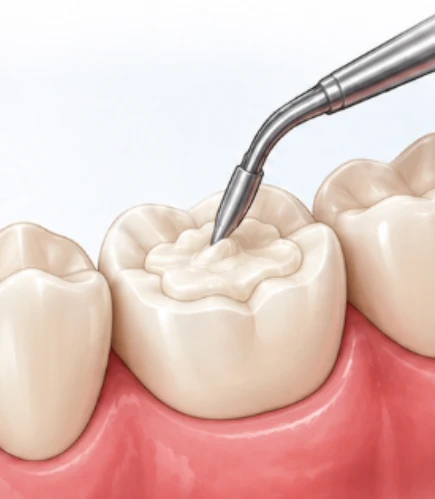
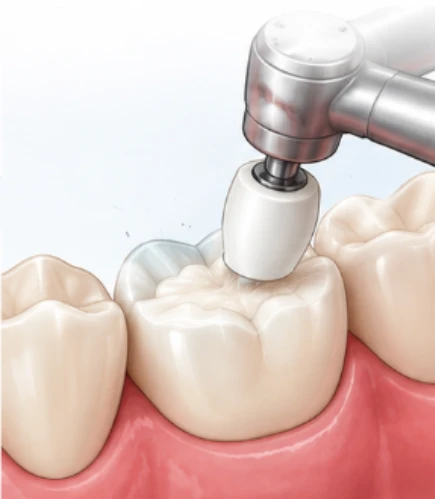
Once the area is numb, the damaged or decayed portion of the tooth is carefully removed. The tooth is then cleaned and prepared before the filling material is placed, shaped to restore the tooth’s natural form and bite, and polished to create a smooth, comfortable finish.
1. Decay Removed
Once the area is numb, the damaged or decayed portion of the tooth is carefully removed.
2. Tooth Cleaned and Prepared
The tooth is then cleaned and prepared before the filling material is placed.
3. Filling Placed and Shaped
The filling material is placed and shaped to restore the tooth’s natural form and bite.
4. Polished
The filling is polished to create a smooth, comfortable finish.
Caring for Your Dental Fillings
With proper care, dental fillings can provide many years of reliable function.
To help protect your restorations:
- Brush twice daily with fluoride toothpaste
- Floss every day
- Limit frequent sugary snacks and drinks
- Avoid chewing hard objects such as ice or pens
- Wear a nightguard if you grind or clench your teeth
During routine dental exams, Dr. Longenecker checks your fillings to make sure they remain secure and continue protecting the tooth.
Insurance Information
Hereford Dental Health is not contracted with any dental insurance plans. Payment is due at the time of service, and our team will submit claims on your behalf to help you maximize any available out-of-network benefits.
We work hard to make the reimbursement process as straightforward as possible and are happy to answer questions about insurance, payment options, and treatment costs before your appointment.
FAQs About Dental Fillings
How long do dental fillings last?
The lifespan of a dental filling depends on the material used, its size, and your oral hygiene habits. With proper care, many fillings last for years before needing repair or replacement.
Can old fillings be replaced?
Yes. Worn, cracked, or leaking fillings can often be replaced to restore the tooth and help prevent further damage. Some patients also choose to replace older amalgam (silver) fillings with tooth-colored fillings for aesthetic reasons.
How much does a dental filling cost?
The cost of a dental filling varies depending on the size and location of the cavity. As a general estimate, dental fillings typically range from $200 to $500 per tooth. After examining your tooth, we will provide a personalized treatment plan with an accurate cost estimate before treatment begins.
Where can I get a dental filling in Monkton, MD?
Hereford Dental Health provides dental fillings in Monkton for patients throughout northern Baltimore County. Dr. Longenecker restores cavities and damaged teeth using conservative treatment designed to preserve your natural smile.